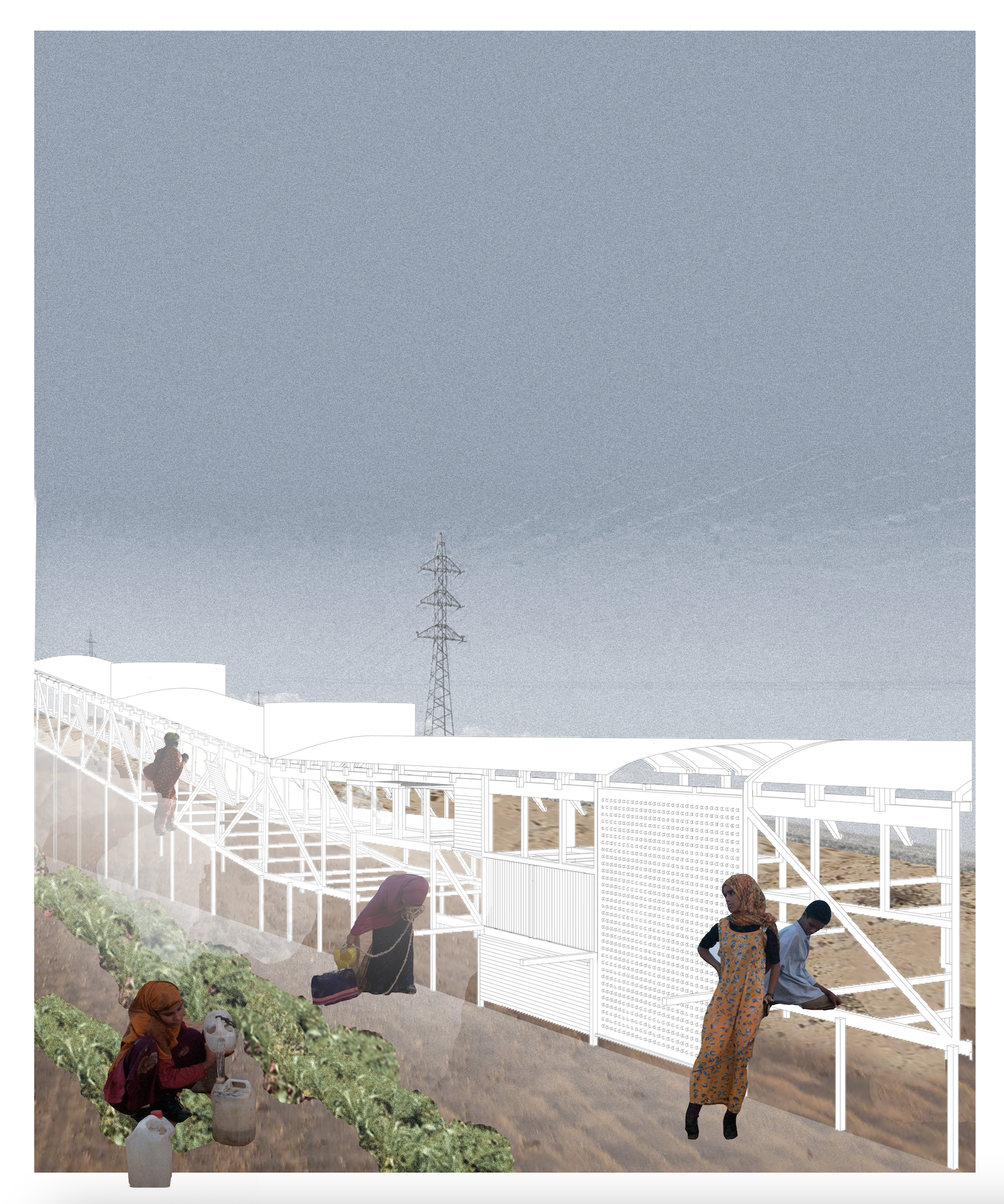
REPURPOSING THE BOU CRAA PHOSPHATE CONVEYOR BELT
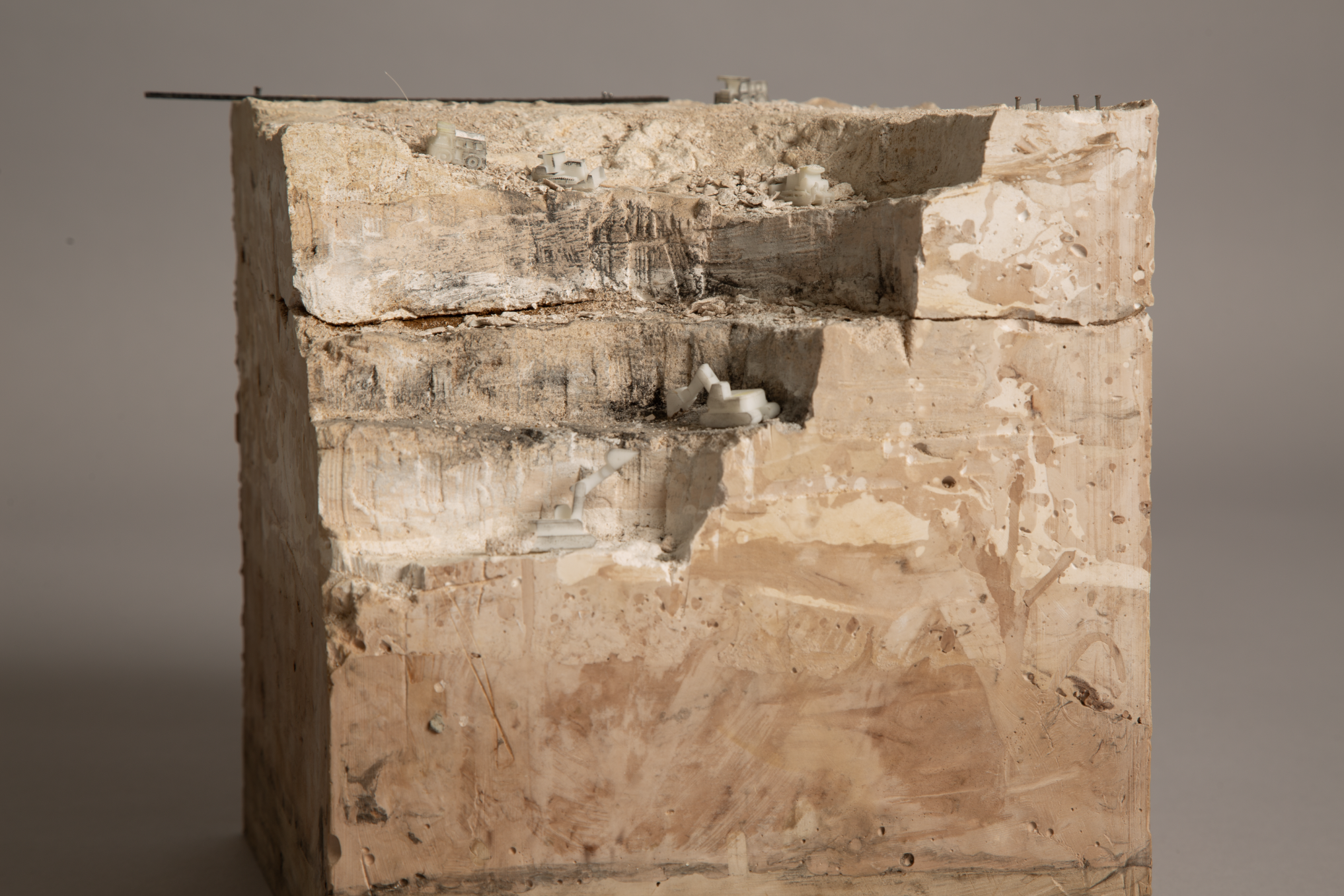
Project in collaboration with Jasper Townsend
This project focuses on the Moroccan state-owned Bou Craa phosphate mine in the occupied territory of Western Sahara. This mine is connected to a 100 kilometer conveyor belt to transport the phosphate to Laayoune to be processed and shipped as fertilizer for global industrial agricultural production. This mining operation is recognized as illegal under international law and has led to the displacement of the indigenous Sahrawi population in the surrounding area. Influenced by the work of Samia Henni, we consider the materiality of saharan dust as archive of colonial violence and toxicity while emphasizing its liberatory capacities as a material that resists hardened geopolitical borders. This project imagines the repurposing of this massive infrastructure, following its inevitable shutdown and deterioration due to various boycotts internationally and damages inflicted by the Polisario Front, the Sahrawi liberation movement. We propose a series of decentralized, small scale interventions within the conveyor belt, for shelter and small scale agriculture production using the windswept phosphorous, that counter the conveyor’s history as an agent of colonization and extraction.

Plan of the Bou Craa phosphate mine, and the conveyor belt stretching to Port Laayoune. The windswept phosphorous that blows to the left can be seen in satellite imagery

Collage of the conveyor belt in the disputed territory of Western Sahara

Port Laayoune, producing fertilizer from the extracted phosphate on-site, to be shipped to India, Colombia, the Phillipines, and the United States.
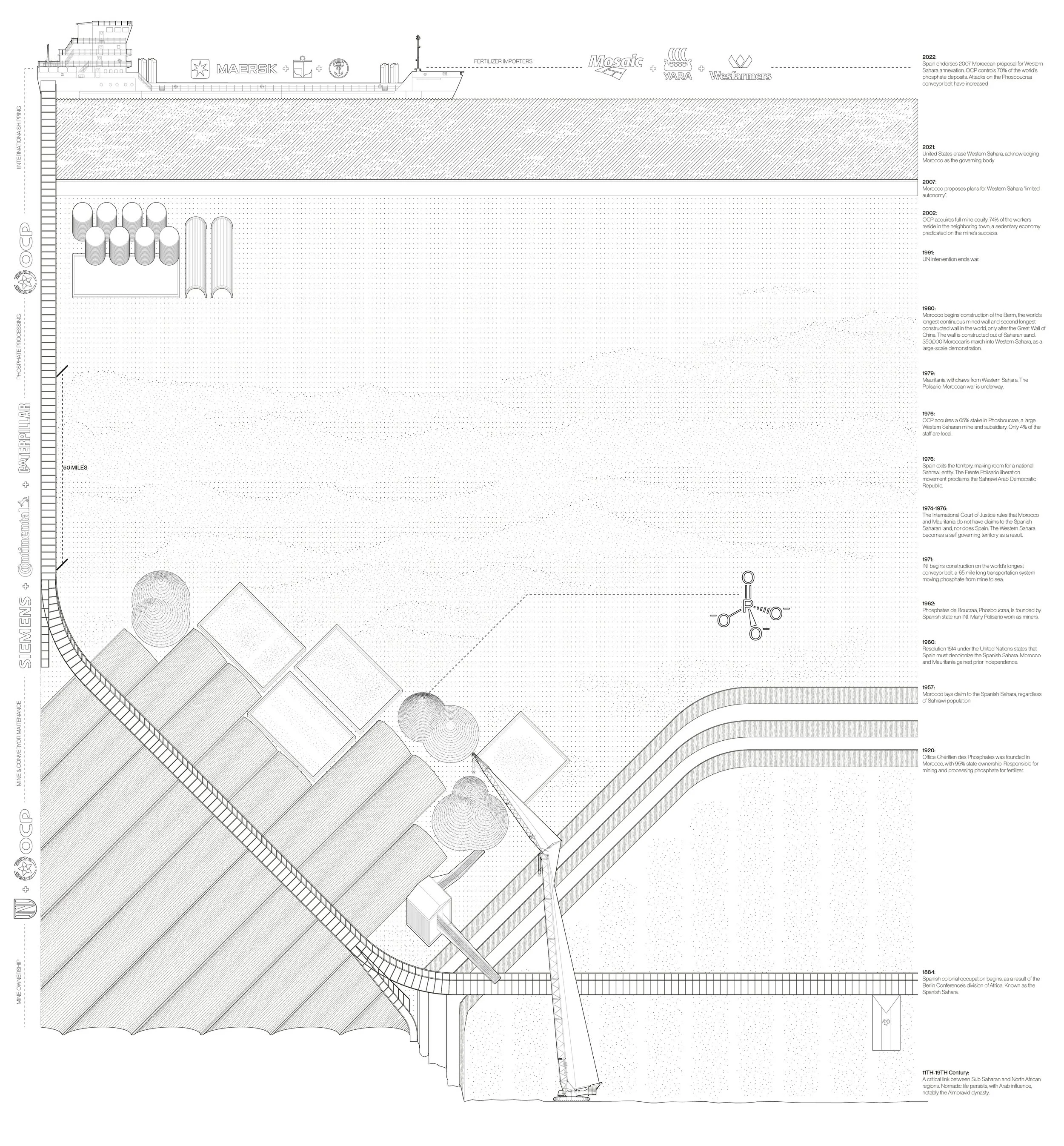
Timeline of the Morroccan occupation of Western Sahara and the establishment of the Bou Craa mine
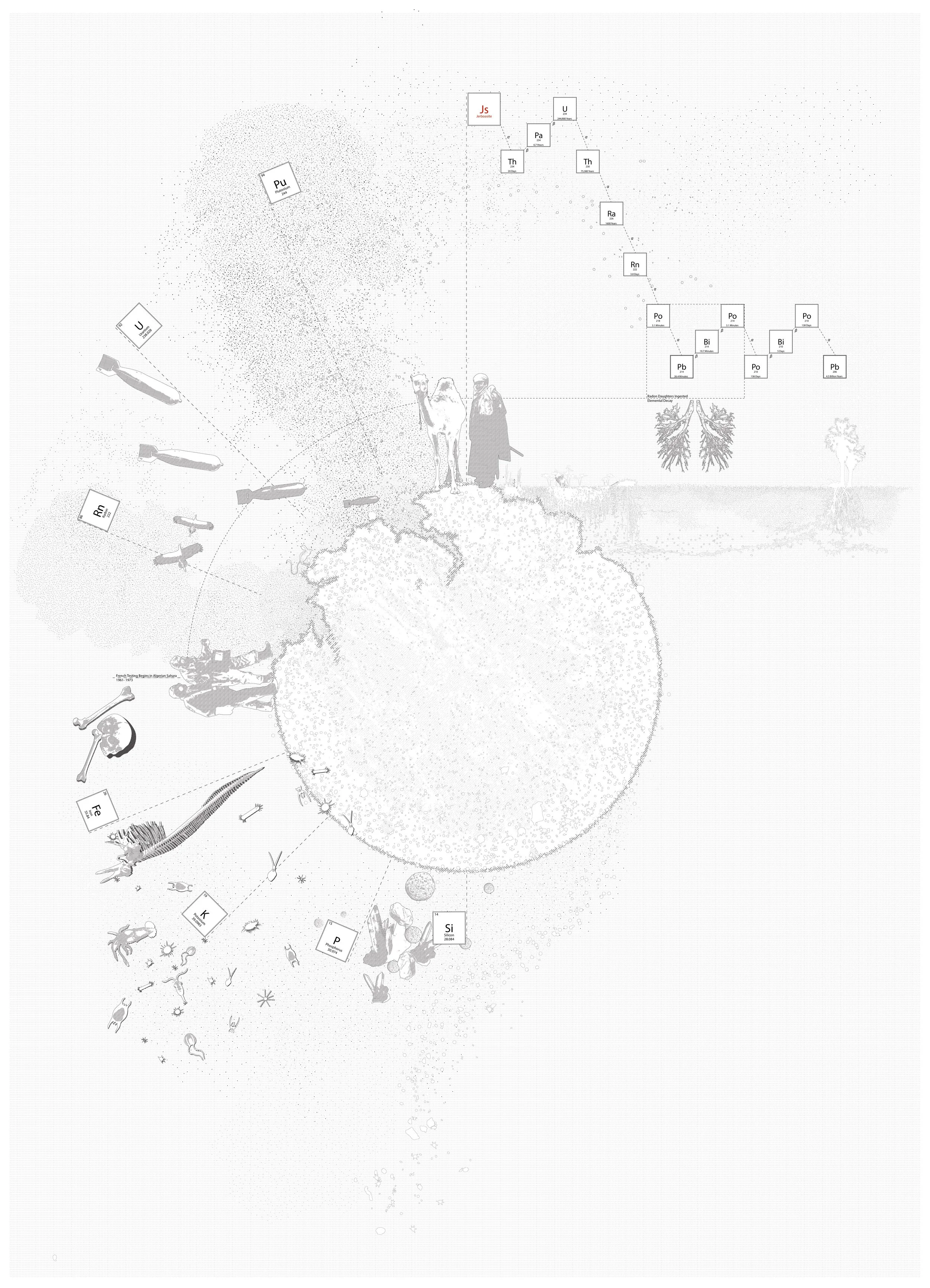
Analysis drawing of the material make-up of saharan sand, revealing colonial legacies

Wind analysis drawing of the Sahara, tracing the patterns that the different wind regimes produce in the sand
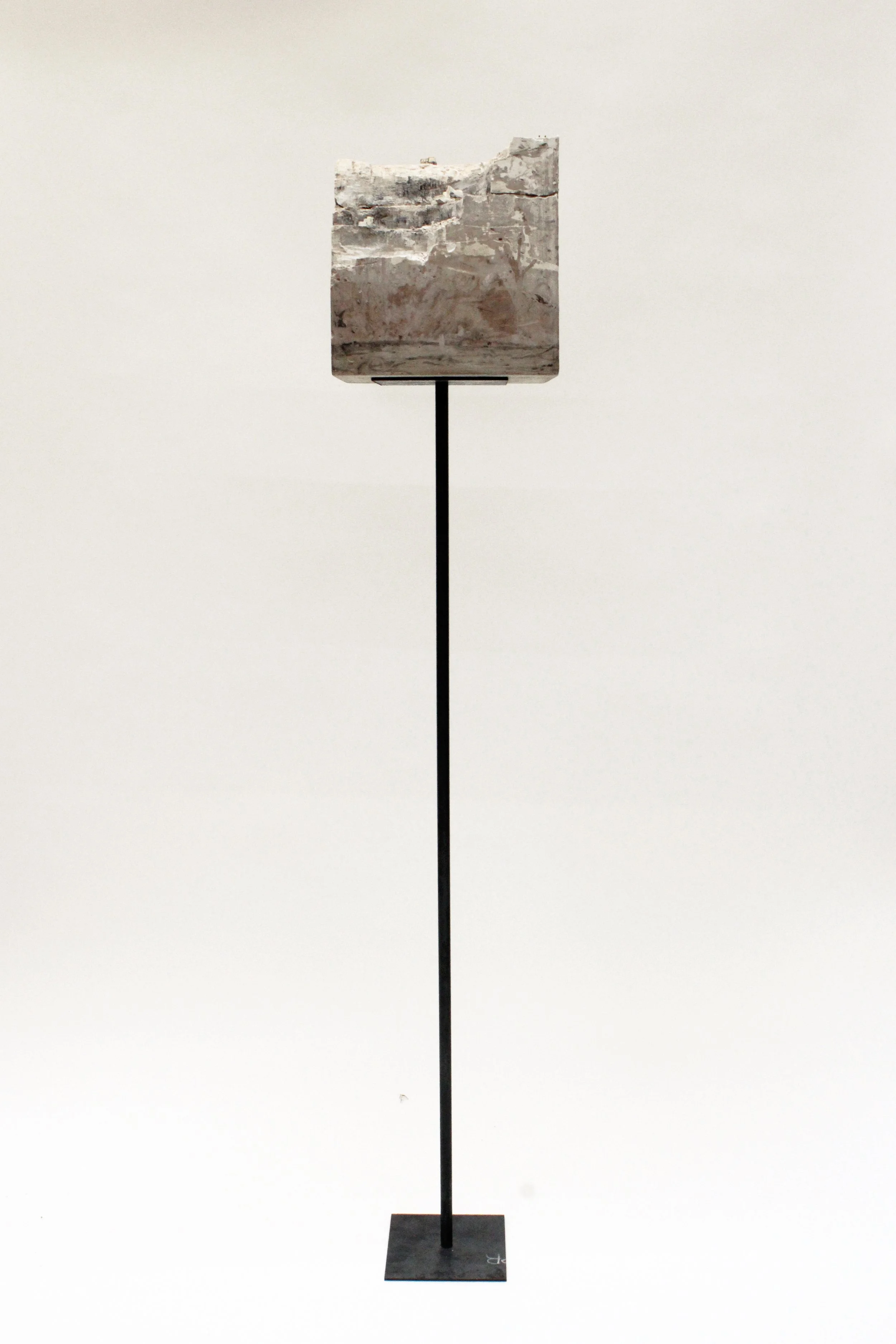
Chunk model of Bou Craa open pit phosphate mine
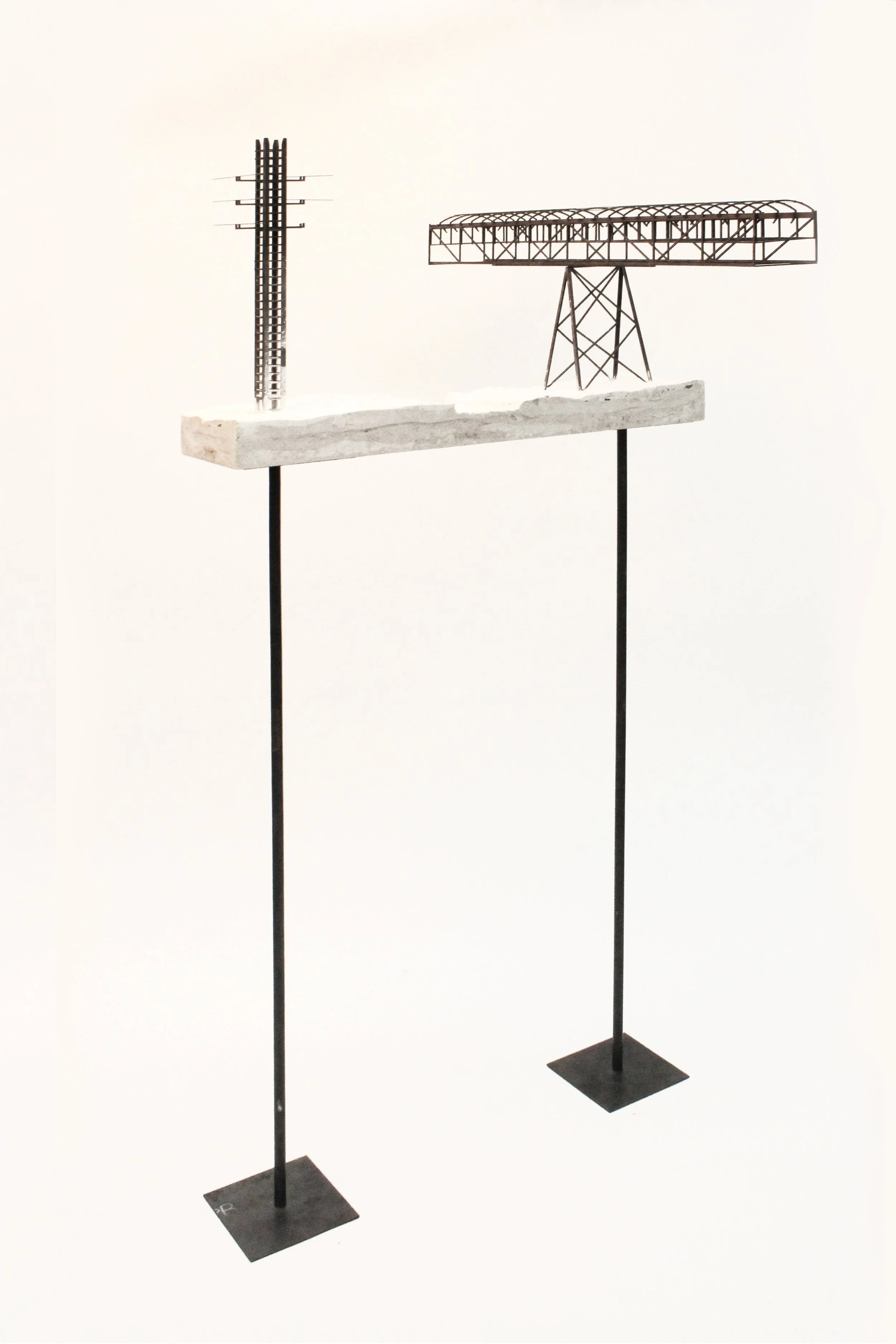
Sectional model of the conveyor belt

In our design, parts retrieved from the damaged conveyor belt used to make infrastructural adjustments and interventions, such as furniture, ladders, storage space, and communal areas

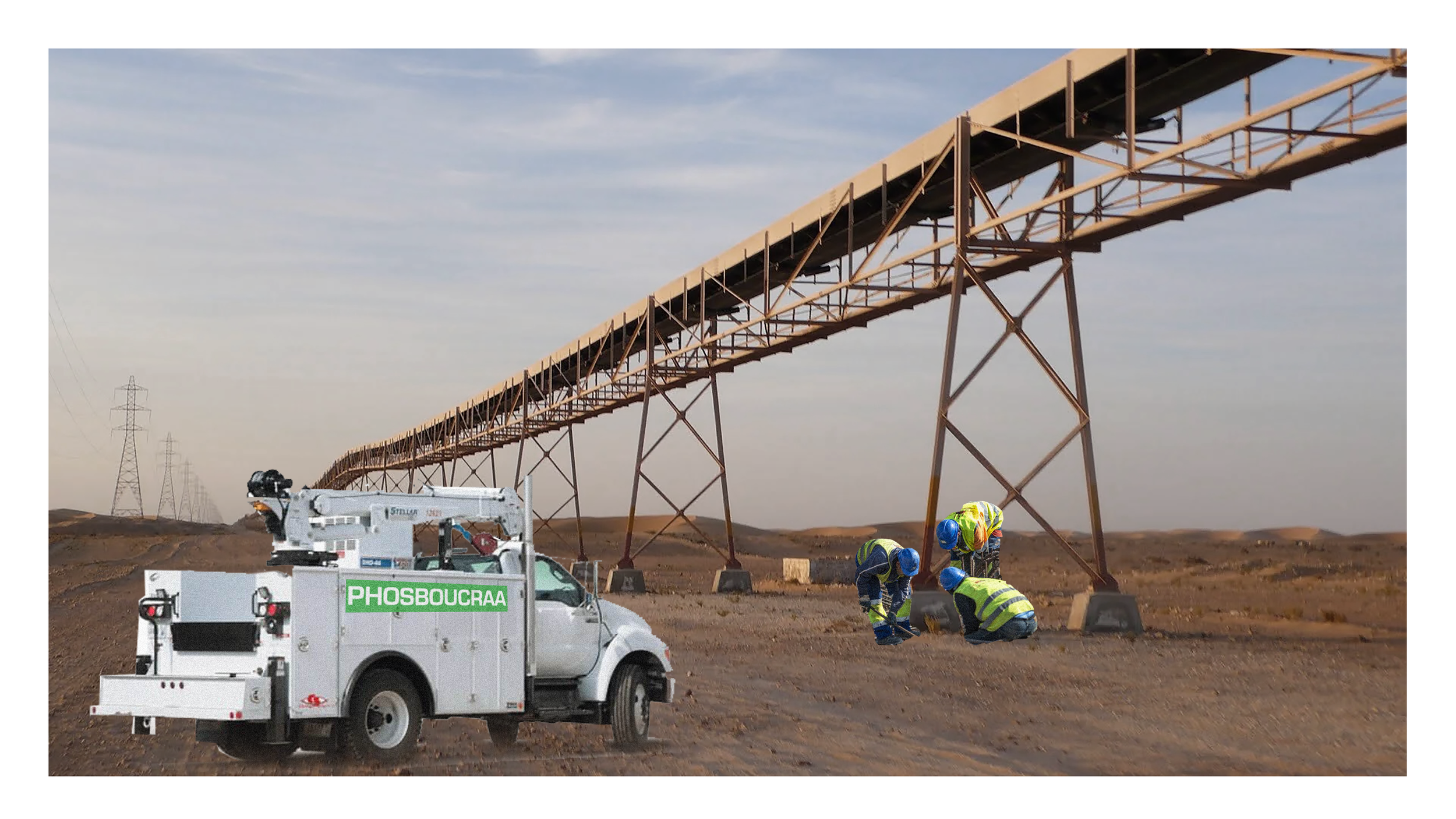
Conveyor belt owned by Phosboucraa
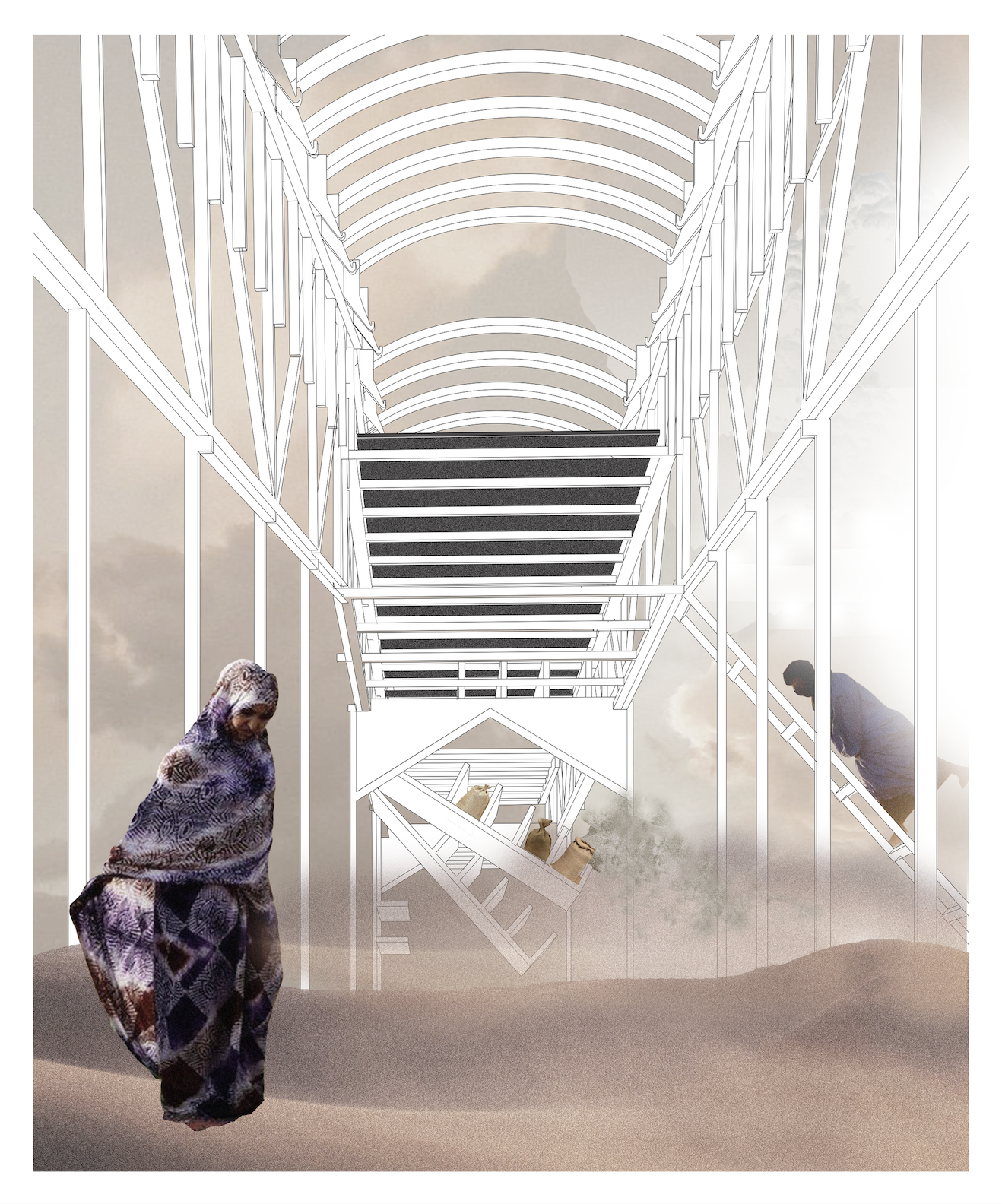
The slow repurposing of the conveyor belt for small scale agricultural production and communal gathering space
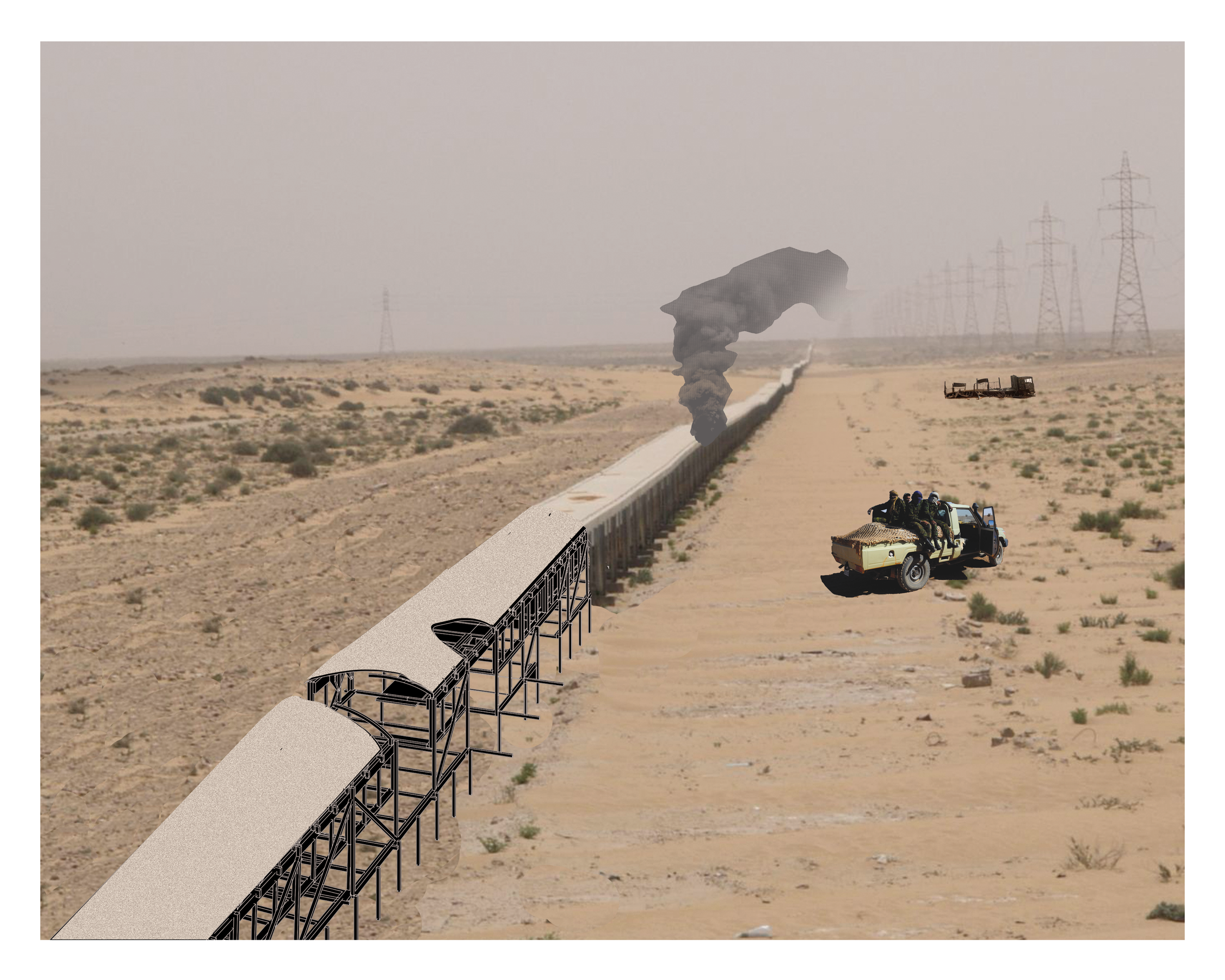
Acts of sabotage by the Polisario front that put the conveyor into temporary disrepair, and create opportunities for design intervention